STRUCTURAL FLOOR AND ROOF SOLUTIONS
SMD Blog Article
Blog
Posted: 23/03/26
Suspended composite metal floor deck systems are a cornerstone of modern steel construction. Common in commercial offices, hospitals, residential towers, and institutional buildings, these systems combines structural steel frame, metal decking, shear studs, and in-situ concrete slab. Once cured, the concrete slab and steel frame act compositely, delivering strength, stiffness, and construction efficiency.
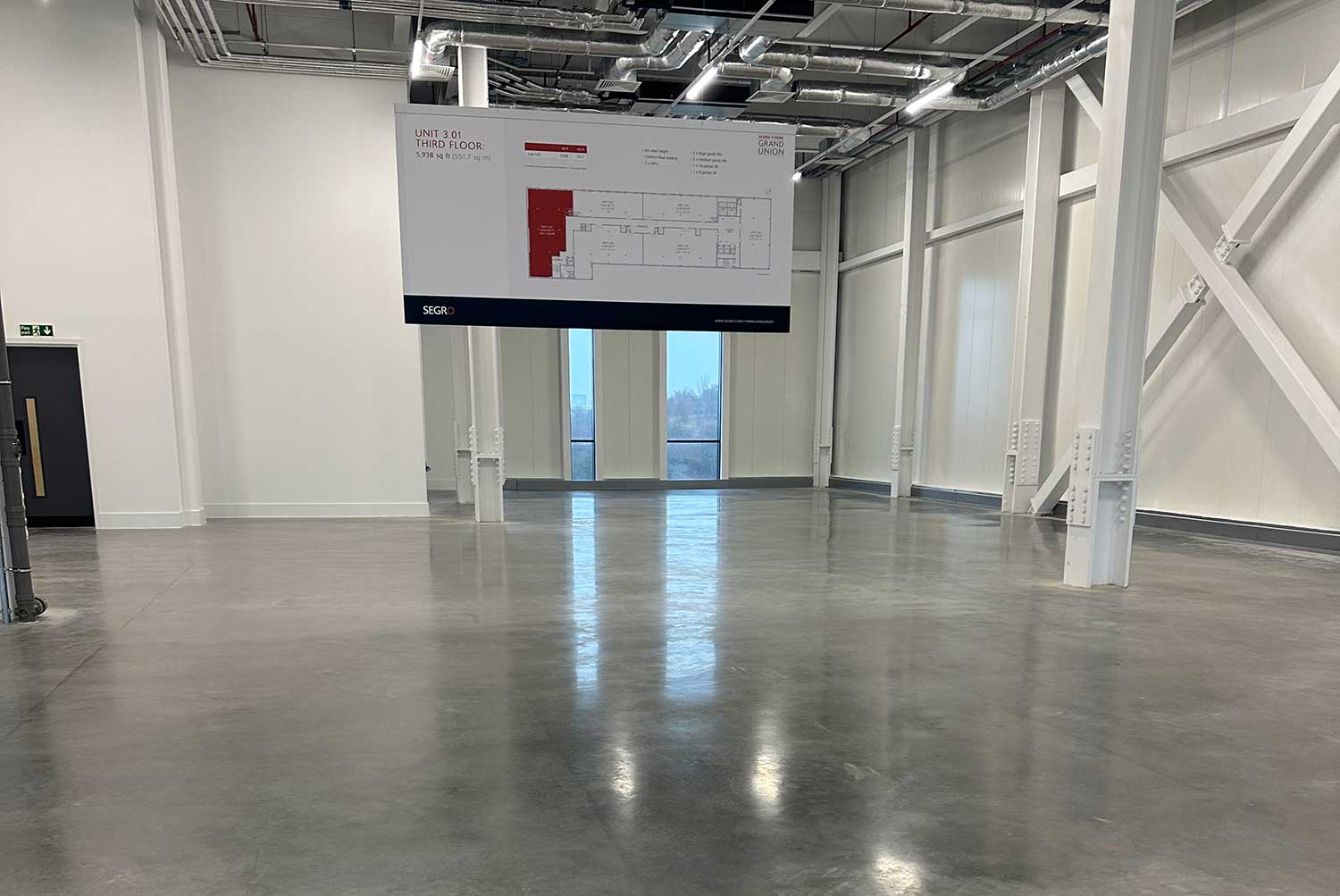
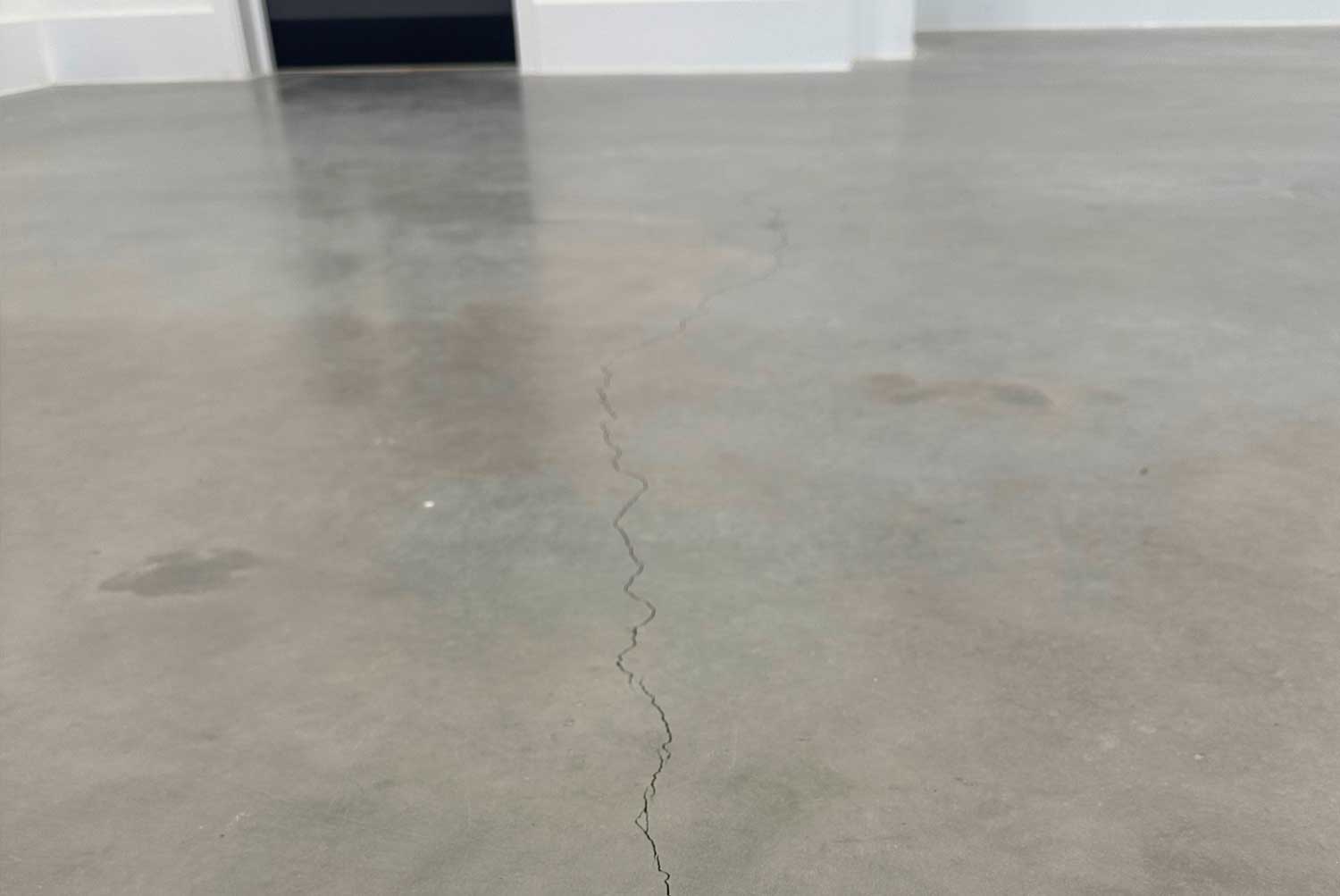
Yet one outcome consistently generates concern: cracking in the concrete surface. While cracks may alarm owners or occupants, they are not a sign of poor workmanship or structural failure. In suspended composite slabs, cracking is an inevitable result of physics and material behaviour.
The primary cause is plastic shrinkage. All concrete shrinks as it cures and loses moisture. This shrinkage is natural and, in most cases, unavoidable.
Before the concrete fully hardens, rapid surface moisture loss, often intensified by airflow across elevated decks, can produce shallow, random cracks.
Structural deflection further contributes to cracking. Unlike ground bearing construction, a suspended slab is not continuously supported by a compacted sub base. It spans between beams and is subject to deflection from its own weight, construction loads, and long-term live loads. Even small deflections introduce tensile stresses, particularly at the top of the slab over beams where hogging occurs.
Thermal effects add another layer of movement. Concrete expands and contracts with temperature changes. In elevated slabs, the top surface may heat from sunlight while the underside remains cooler, creating thermal gradients. This differential movement induces additional stress within the slab, increasing the likelihood of cracking.
It is important to understand that reinforcement does not prevent cracks. Steel reinforcement and welded wire mesh are designed to control crack width and distribute cracking more evenly, not to eliminate it. Properly detailed reinforcement ensures that cracks remain tight and do not compromise structural performance or durability.
In most well-designed composite floor systems, cracking is anticipated by engineers. Industry standards recognize that reinforced concrete will crack, and design practices focus on limiting crack width to acceptable levels. When cracks remain narrow and show no signs of displacement or ongoing movement, the slab’s structural integrity is not compromised.
Ultimately, preventing cracking entirely would require eliminating shrinkage, deflection, thermal movement, and concrete’s inherent tensile weakness, an impossibility with conventional materials. Measures such as proper curing, appropriate mix design, and careful load management can reduce crack severity, but they cannot override the fundamental physics.
In suspended composite metal deck construction, cracks are not defects; they are the natural outcome of combining a brittle material with a flexible structural system. The objective is not a crack-free slab, but a well-designed system in which cracking is controlled, predictable, and structurally harmless.
 WHITE.png)


Structural Metal Decks Limited
The Outlook, Ling Road, Poole, BH12 4PY
Registered in England & Wales No. 03560591
Tel: +44 (0) 1202 718898
SMD® 2025
-narrow.jpg)